The Comeback Story of (How a Small Town Revived Its Heart)
Once a quiet crossroads in rural Ohio, Bellefontaine has always been the kind of place where people wave from their porches and remember your name at the local café. But downtown Bellefontaine, Ohio, wasn’t always the lively hub it is today. Over the years, its historic core faded into the background—empty storefronts, quiet evenings, and more memories than momentum.
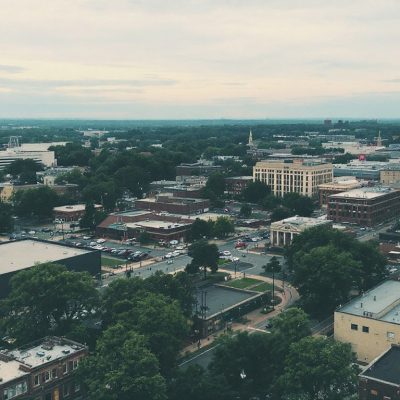
That story is changing. In recent years, downtown Bellefontaine, Ohio, has started to buzz again with small businesses, restored buildings, and a strong community spirit. Locals and visitors alike can feel the shift. This comeback is rewriting what’s possible for a small Midwest town.
A Brief History of Downtown Bellefontaine, Ohio
Downtown Bellefontaine, Ohio, has a story that stretches back more than a century. This town square once thrived with grand department stores, unique businesses, and social gatherings that drew people from across the county. Its past vibrancy shaped the fabric of the community, giving Bellefontaine its classic small-town charm and reputation for welcoming locals and visitors alike.
The Early Boom Years
In the late 1800s and early 1900s, downtown Bellefontaine, Ohio, was the heartbeat of Logan County. Main Street buzzed with energy and opportunity. The railroad helped put Bellefontaine on the map, bringing both commerce and people into the downtown core. Families came downtown to shop, socialize, and enjoy a night out at the theater. With a mix of stately government buildings, busy shops, and thriving markets, Bellefontaine quickly became a center for trade and community events.
Some features that defined downtown Bellefontaine back then included:
- Vibrant storefronts lining Main Street and its side streets, each with unique architecture and signage.
- Local theaters where families enjoyed movies and live performances.
- Bustling markets and fairs, serving as meeting places for both business and pleasure.
Notable Historic Buildings and Landmarks
Downtown Bellefontaine is packed with historic buildings that tell the story of its rise, heyday, and endurance. Some structures still play a key role in downtown life today:
- The Holland Theatre opened in 1931 and remains one of the jewels of downtown. Its Dutch-style facade stands out and has welcomed generations for movies, plays, and concerts.
- The Logan County Courthouse is a local icon. Built in the 19th century, its bell tower and stately clock face dominate the city skyline.
- Court Avenue is often credited as the oldest concrete street in America. Paved in 1891, it serves as a bit of living history today and draws visitors interested in transportation and engineering milestones.
| Landmark | Year Built | Notable Fact |
|---|---|---|
| Holland Theatre | 1931 | Dutch Revival architecture, restored in 2019 |
| Logan County Courthouse | 1870 | Signature bell tower and architecture |
| Court Avenue | 1891 | First concrete street in the United States |
Decline and Changing Times
Like many American small towns, downtown Bellefontaine, Ohio, eventually faced hard times. As shopping malls and big-box stores grew in the suburbs, foot traffic dropped downtown. Storefronts emptied, and Main Street grew quiet. Buildings that once shined with pride became worn and empty, a reflection of harder economic times. Events that once drew crowds happened less often, and the area lost its center-of-town feeling.
Key changes during the decline:
- Shutters closed on beloved local shops, replaced by “For Rent” signs.
- Buildings aged without regular care, with some at risk of being torn down.
- Community activities faded as people spent time and money elsewhere.
Previous Reputation and Memories
Even during slow times, downtown Bellefontaine held a place in local hearts. People recalled festival parades, summer evenings with friends, and family outings to the square. For many, the downtown area represented memories from their childhood—the simple joy of buying penny candy or celebrating the holidays together.
Despite its struggles, the core of downtown Bellefontaine, Ohio, never fully lost its charm. The memories of what once was set the stage for the energy and hope that would return in the years ahead.
The Catalyst for Change: How the Comeback Started
Change didn’t happen overnight in downtown Bellefontaine, Ohio. Progress came from people who refused to watch their main street fade away. The comeback began with a few determined locals, new partnerships, bold investments, and the firm belief that downtown’s best days weren’t just a memory. Their combined effort flipped the script for this community.
The First Sparks: Local Champions Step Up
A small group of visionaries saw forgotten storefronts as empty canvases, not lost causes. Among the earliest champions was entrepreneur Jason Duff, who grew up nearby and wanted to bring life back into his hometown’s center. He founded Small Nation, a company dedicated to rebooting downtown Bellefontaine, Ohio, through creative problem-solving and big plans on a small-town scale.
Other hometown leaders, business owners, and active citizens joined him, refusing to accept decline as the story’s end. These early efforts inspired others to care and get involved, building real momentum.
Investments and Downtown Revitalization
The spark needed fuel. Major renovations began with Small Nation investing in buildings along Main Street. These investments did more than fix up old storefronts. They offered new places for local businesses to open shop, jobs for workers, and hope for neighbors.
Local government and private owners also chipped in, restoring historic spaces and cleaning up public areas. Grants helped with major fixes, making it possible to repair roofs, modernize wiring, and add new facades. The result wasn’t just fresh paint. For the first time in years, there was real pride in what was possible for downtown Bellefontaine, Ohio.
Key projects that moved the needle:
- The Syndicate: One of the first major restaurant renovations, which became a local hot spot and proved people would come downtown again for food, drinks, and fun.
- The Marketplace Building: Transformed a once-forgotten building into a thriving space for shops, offices, and community events.
- Streetscape improvements: Upgraded sidewalks, benches, flowers, and lighting, making the area welcoming once more.
Grants, Funding, and Community Support
Outside help supported local effort. State and federal grants funded updates for buildings considered important to the town’s heritage. The Ohio Main Street Program gave technical help, ideas, and even small grants.
Community fundraising played a big role, too. Locals put on bake sales, held concerts, and gathered donations to pay for murals, planters, or repairs. Every dollar raised seemed to spark two more ideas. Block by block, small efforts added up to something bigger.
A quick look at financial support:
| Type | Source | Use |
|---|---|---|
| Private capital | Small Nation, locals | Renovations, start-up support |
| Grants | State, federal agencies | Historic restoration, infrastructure |
| Community funds | Local campaigns | Beautification, events, minor repairs |
Policy Shifts and Partnerships
Support at city hall was key to lasting change. Local leaders simplified permits for new businesses. They updated zoning rules and offered small incentives for building owners who improved their property or attracted new tenants. This made investing easier and less risky.
Small Nation, the Chamber of Commerce, and city officials formed partnerships with regional banks, real estate agents, and investors to spark bigger projects. This level of teamwork made downtown Bellefontaine, Ohio, more attractive for new business owners and creative thinkers.
Some key policy and partnership moves included:
- Easing restrictions for outdoor dining and sidewalk displays
- Creating grants for historic building repairs
- Hosting networking events to connect property owners with entrepreneurs
A Shared Vision and New Traditions
What woke up downtown wasn’t just grant money or new lighting. The biggest difference came from a shared vision. Residents, old and new, pictured a vibrant main street where families strolled, shops thrived, and neighbors gathered for music or a festival. Everyone wanted to see progress, not just for nostalgia but for the town’s future.
The comeback of downtown Bellefontaine, Ohio, shows that small changes sparked by passionate people can ripple out and inspire a whole community. With each project and partnership, the energy kept growing, pushing the momentum beyond one street or block.
Revitalization in Action: Transforming Downtown Bellefontaine, Ohio
Downtown Bellefontaine, Ohio, has seen bold changes over the past decade. What was once a quiet set of empty buildings is now filled with small businesses and full sidewalks. Every block tells a story, each corner offers something new, and local pride is stronger than ever. The transformation goes beyond looks—it’s about new jobs, fresh energy, and a true sense of place.
A Surge of New Small Businesses
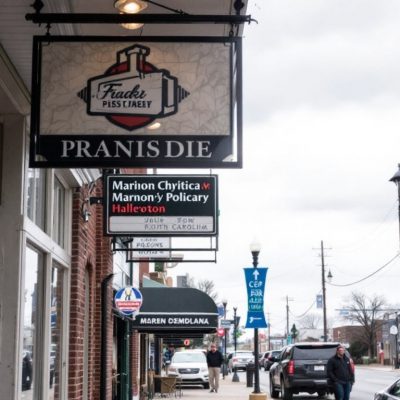
The past several years brought a wave of new businesses to downtown Bellefontaine, Ohio. Where vacant shops stood, you’ll now find a range of restaurants, coffee shops, boutiques, and creative workspaces. This new business energy has changed both the economy and the community spirit downtown.
Some standout spots include:
- Native Coffee Co. attracts people of all ages, from students to remote workers. Inside, friends reconnect and locals welcome newcomers over fresh coffee.
- The Syndicate serves as both a bar and restaurant, becoming a favorite for date nights and casual meetups alike.
- Peach Tree Boutique and Nest 1896 offer unique shopping experiences, drawing customers from Bellefontaine and beyond.
- Six Hundred Downtown has put Bellefontaine on the map for pizza lovers, winning national awards and bringing in foodies from surrounding counties.
These small businesses are more than just places to spend money. They bring hundreds of new jobs. Local teens get their first work experience, while adults find new careers close to home. Owners share how opening downtown brought them a loyal customer base and a network of fellow entrepreneurs for support.
You’ll often spot the same faces behind the counter or at the register, making it easy for visitors and residents to feel like part of the family. This sense of connection helps fuel a welcoming, tight-knit vibe at every turn.
Preserving and Restoring Historic Buildings
Downtown Bellefontaine, Ohio, stands out because old and new mix together so well. Much of this magic comes from saving and refreshing the town’s historic buildings. Developers, often with local roots, saw hidden charm behind faded brick walls and broken windows.
Before and after photos tell the story better than words ever could, but here’s a look at a few success stories:
- The Opera Block was once a forgotten shell. With careful investment and creative vision, it now holds busy shops and studios.
- The Canby Building, built in the early 1900s, went from neglected to thriving, housing housing year-round events and places to shop and work.
- Major projects like the Marketplace Building transformed unused space into modern offices and bustling storefronts, keeping architectural details intact.
Most restoration projects depended on a mix of private investment, community support, and grants such as from the Ohio Historic Preservation Tax Credit. Small Nation, the main development group, played a huge part. By taking on multiple buildings at once and working with tenants, they avoided piecemeal progress and created real momentum.
These preservation efforts mean downtown Bellefontaine, Ohio, continues to look and feel like itself—even as it changes for the better. Locals see their history honored while enjoying new reasons to visit.
Hosting Popular Events and Festivals
What was once a sleepy main street now hosts events that pull in crowds from all over. Popular festivals, markets, and concerts turn the downtown area into a lively destination many times a year.
Annual highlights include:
- Downtown Bellefontaine Art & Music Festival serves up live bands, pop-up galleries, and food trucks, filling the streets with energy.
- Farmers’ Markets run through the spring and summer, giving people a chance to buy local produce and handmade goods while visiting with friends.
- First Fridays bring music, street performers, and late-night shopping every month, turning Main Street into a community event.
- Christmas in Bellefontaine decorates downtown in lights, draws crowds for parades, and creates lasting family memories.
These recurring events help small businesses thrive and create a big draw for visitors from surrounding areas. Shops, restaurants, and local artists all benefit. The regular schedule gives people more opportunities to build traditions and connect—exactly what makes a town feel like home.
Supporting Arts, Culture, and Public Spaces
A big reason downtown Bellefontaine, Ohio, feels more inviting comes from its support for arts, culture, and public spaces. New murals brighten once-bland walls and make each block stand out. Benches, planters, and creative lighting add color and comfort to public walkways.
Key improvements you’ll notice:
- Murals and street art from local artists add personality and tell hometown stories. Vibrant colors and positive messages make the area feel friendly and alive.
- Youth programs help young people create art for public display, building pride and ownership for the next generation.
- Pop-up parks and sitting areas turn patches of concrete into small oases. Kids play within sight of parents relaxing over coffee.
- Upgrades to playgrounds, green corners, and walking trails encourage people to enjoy the outdoors without leaving the comfort of downtown.
The focus on public art and creative spaces pulls the community together. It gives Bellefontaine a unique look and makes downtown visit-worthy, whether you’re shopping, grabbing lunch, or just strolling.
These projects are led by everyone from city leaders to volunteer groups. This teamwork brings out the best in Bellefontaine, making downtown more than just a place to shop or work—it’s a space for everyone.
Looking Forward: The Future of Downtown Bellefontaine, Ohio
Downtown Bellefontaine, Ohio, has found its second wind, but the story doesn’t end with the streets alive again and storefronts full. The focus now shifts to keeping the energy high and guiding growth with care. New projects, community pride, and a vision shaped by both locals and leaders all point to a future full of promise. Downtown’s next chapter is just starting to unfold, with momentum that no one wants to lose.
Ongoing and Planned Development Projects
Several redevelopment projects are already making a difference or set to launch soon. These plans aim to strengthen the progress made and keep downtown Bellefontaine, Ohio, lively for years to come. Developers focus on both big ideas and small details, working to offer something for everyone.
You may notice work happening on:
- The Second Story Project: Many historic buildings have unused upper floors. Local groups are turning these floors into cool apartments, offices, and co-working spaces. This keeps more people living and working downtown, building steady foot traffic for businesses below.
- Public Plaza Upgrades: Plans are in motion to enhance public gathering spots. The downtown square will become more inviting for events, with better lighting, seating, and landscaping.
- Expanded Dining and Retail Options: With more interest from boutique owners, chefs, and entrepreneurs, new shops and restaurants are opening their doors. Watch for family-friendly brewpubs, specialty stores, and expanded patio dining.
- Sustainable Downtown Initiatives: Some projects focus on eco-friendly upgrades, like energy-efficient lighting, green roofs, and thoughtful waste programs. These keep both the downtown core and nearby neighborhoods healthy.
Community Sentiment: Hope and Cautious Optimism
People who live and work in downtown Bellefontaine, Ohio, are proud of the comeback. Many feel a sense of ownership, since the revival grew from local effort instead of outside plans. Business owners and residents share a belief that the city’s best days are ahead, even as they remember what was lost.
Local perspectives say it best:
- “Growing up, Main Street was empty at night. Now, there’s something happening every weekend,” says Ashley Miller, a lifelong resident. “It feels good to tell my kids they can walk downtown and see people they know.”
- Dale Brant, owner of a clothing boutique, says, “I took a risk opening my shop here. Now, I can see the payoff. The energy is real, and people are rooting for each other.”
Still, some locals keep their hopes measured. “It’s exciting, but we can’t get too comfortable yet,” shares James Ortega, who manages a downtown building. “We need to keep investing and supporting small businesses if we want this to last.”
Challenges on the Horizon
Even with all the progress, the path forward has some bumps. As more people and businesses move downtown, the city faces new kinds of pressure. Leaders and locals talk openly about these challenges to keep things heading in the right direction.
The biggest hurdles include:
- Affordable Housing: As the area gets more attractive, housing costs often rise. Leaders want to keep downtown Bellefontaine, Ohio, a place where everyone has a chance to live.
- Parking and Traffic: More visitors mean parking spots fill up fast, and traffic patterns need adjusting. Plans are under way for better signage, new lots, and more walkable streets.
- Maintaining Local Identity: Growth brings in new ideas and faces, but there’s a push to keep the small-town feel. Locals value personal connections and want to protect the community’s unique story.
- Business Sustainability: New shops bring energy, but staying successful is tough in a small market. City officials and business groups are working to provide resources, workshops, and mentorship for owners old and new.
The Long-Term Vision: Growing with Heart
City leaders, developers, and citizens share a bold vision for what comes next in downtown Bellefontaine, Ohio. The focus is on:
- Balanced Growth: Encouraging new business while protecting what makes the area special. This means careful planning, thoughtful zoning, and listening to the community.
- A Walkable, Experience-Driven Downtown: More green spaces, safer crosswalks, and places to sit give people reasons to linger. Public art adds color and keeps the mood friendly.
- Support for Entrepreneurs: The city wants to build a “ladder of opportunity,” where new businesses can test ideas with pop-up shops or farmers’ market stands before growing into full storefronts.
- Destination Events: Leaders hope to expand annual events, turning Bellefontaine into a travel stop for festivals, unique markets, and art shows.
These ideas come straight from community vision sessions, where people speak up about what matters most. As Mayor Ben Stahler recently put it, “Our goal is to grow, but to do it our way — keeping the warmth, charm, and friendliness that make Bellefontaine home.”
The future of downtown Bellefontaine, Ohio, rests in hands both old and new. By steering growth with care and keeping the community’s values at its heart, this small town proves a comeback isn’t just possible — it can become the foundation for everything that comes next.
Conclusion
Downtown Bellefontaine, Ohio, has shown what happens when a community pulls together and believes in its main street again. The revival of its historic core proves small towns can bounce back when locals invest their time, care, and resources. Pride runs deep here now, visible in every restored building, every family event, and every small business that opens its doors.
The comeback is not just about style or even economic growth—it’s about connection. Neighbors, friends, and leaders have created a place worth visiting and a downtown worth supporting. Bellefontaine now stands as a real-life example for other towns dreaming of brighter days.
If you want to feel hopeful about the power of community and see real progress up close, plan a trip to downtown Bellefontaine, Ohio. Share your story with the people you meet. Thanks for reading, and let others know what small towns can achieve when they work together.