Greenville, SC Guide, Neighborhoods, Things to Do, Food, and Moving Tips
Set in the Upstate at the edge of the Blue Ridge foothills, Greenville, SC feels both outdoorsy and easy to live in. You can hike or bike in the morning, then be back in town for coffee and a stroll without much effort.
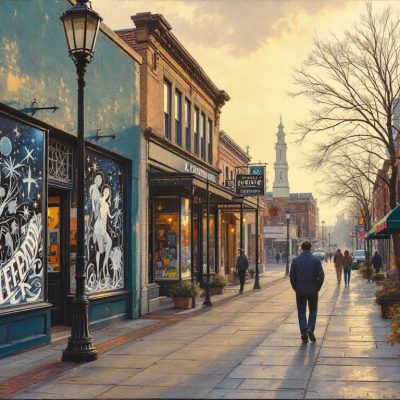
A big reason people fall for it is downtown Greenville, where the streets are walkable and packed with parks, shops, and patios. The vibe is lively, but it still feels relaxed, especially on weekdays.
This guide keeps it simple. You’ll get a quick feel for neighborhoods and what day-to-day life is like, plus top things to do, where to eat, and spots for shopping. If you’re visiting or thinking about a move, you’ll also find practical tips that help you plan with confidence.
Where Greenville is, and what it feels like when you get here
Greenville sits in Upstate South Carolina, right where the Piedmont starts to rise into the Blue Ridge foothills. You get that “close to the mountains” feeling without giving up everyday conveniences. It’s also an easy base for weekend travel, about 1.5 hours from Charlotte and roughly 2 hours from Atlanta (traffic decides the mood).
When you arrive, the city feels friendly, outdoorsy, and growing, but it still keeps a small-town ease. People chat in line, patios fill up fast, and you’ll notice how much life centers around being outside.
A quick map in your head: downtown, the neighborhoods, and the lakes and mountains nearby
Think of downtown Greenville as the hub, set along the Reedy River. That river thread is part of what makes the center feel inviting. You can walk from shops to parks in minutes, then end up on a shaded path without trying.
Most of the places you’ll actually go, neighborhoods, grocery runs, schools, and breweries, sit about 10 to 25 minutes away by car. That short drive-time shapes daily life here. Plans stay simple because “across town” usually isn’t a big deal.
For quick outdoor escapes, Greenville has a few anchors that locals treat like extensions of the city. Paris Mountain State Park is close enough for an after-work hike. When you want bigger views, the Table Rock area scratches that “real mountains” itch. If water is your thing, Lake Hartwell and Lake Keowee both work as easy day trips.
Greenville’s sweet spot is convenience: you can live a normal weekday and still touch trails, lakes, and mountain views without planning a whole weekend around it.
Weather and seasons: what to expect month to month
Greenville has four clear seasons, but they don’t all feel equal. Summer runs hot and humid, especially from June through early September. Midday sun can drain you fast, so morning walks and evening patio dinners tend to win.
Winters stay mild compared to much of the country. You’ll still get cold snaps, but many days are hoodie weather, not heavy-coat weather. Because temperatures can swing, layering makes life easier year-round.
Spring is pretty, but it comes with a warning label: pollen season can be intense. If allergies hit you hard, keep meds handy and plan more indoor workouts on the worst days. Rain also shows up in every season, so a small umbrella and water-resistant shoes pay off.
Fall is the crowd favorite because it’s comfortable and bright. Cooler mornings, lower humidity, and changing leaves make it the easiest time to hike. In July or August, though, adjust your trail plans. Choose shaded routes, bring more water than you think you need, and start early.
A short, honest history that helps you understand Greenville today
Greenville grew up with textiles and mill life, and that working-city foundation still shows up in the pride people take in building things. Over time, the economy shifted, and the area became known for manufacturing and new business, including major international companies.
The most visible change is how downtown revitalized. Instead of treating the city center like a place you pass through, Greenville invested in making it a place you stay. Parks, paths, and public spaces turned the Reedy River into an everyday hangout, not just scenery.
That mix, old roots and newer growth, explains why Greenville can feel both polished and personal. You’ll see shiny new restaurants, but you’ll also notice a community that still values routine, neighbors, and time outside.
The best things to do in Greenville, SC, for a first visit
If you only have 1 to 3 days in Greenville, keep it simple: spend one block of time downtown, add one kid-friendly stop (if needed), then finish with an easy outdoor outing. Most of the “first-timer” highlights sit close together, so you won’t waste half your trip driving and parking.
Below are the reliable favorites that give you that “I get Greenville now” feeling, with a mix of free, low-cost, and paid options.
Falls Park on the Reedy and the Liberty Bridge: the postcard spot that is worth it
Falls Park is Greenville’s signature scene because it feels like a small escape tucked right into downtown. You get waterfall views, shaded gardens, and the Liberty Bridge curving over the Reedy River. It’s the kind of place where even a quick stop turns into a slow walk.
For photos, aim for early morning for softer light and fewer people, or go late afternoon when the trees and stone paths glow. Midday can look bright and busy, especially on weekends.
A simple, easy route is to enter near the bridge, cross for the classic angle, then loop down to the river paths and back up through the gardens. Plan 45 to 90 minutes, longer if you linger on benches and watch the water.
Good news for most visitors, the main paths are paved, and you’ll find benches spaced along popular viewpoints. After your walk, grab a drink nearby at Methodical Coffee or Spill the Beans, or go for a treat at Kilwins or Luna Rosa Gelato.
If you’re short on time, do Falls Park first. It’s downtown’s best “wow” moment in a small package.
Main Street and the downtown walk: shops, art, and people-watching without a plan
Downtown Greenville works best when you don’t over-schedule it. Start at NOMA Square (easy landmark), then wander along Main Street at your own pace. Side streets pull you in with patios, storefronts, and little pockets of public space that make the walk feel relaxed.
As you go, you’ll notice tree-lined sidewalks, outdoor seating, and bits of public art mixed into everyday corners. Traffic stays calmer than many cities, so walking feels natural, even if you’re not a “city stroller.”
Give yourself 1 to 2 hours for a first pass, then circle back to whatever caught your eye. If you want a flexible plan, pick just one focus:
- Local boutiques for gifts, books, and Greenville-themed finds.
- Galleries and studios when you want a quieter indoor break.
- TD Saturday Market (in season) for local food, flowers, and a fun crowd without a ticket.
If you’re visiting on a weekend, go earlier, parking and restaurant waits get easier before lunch.
Family-friendly stops: zoos, museums, and hands-on fun that actually works with kids
For kids, Greenville has a strong one-two combo: a zoo day and a hands-on museum day. The Greenville Zoo is a paid outing that’s a manageable size, so it doesn’t turn into a marathon. Go in the morning when animals tend to be more active and the heat feels lighter. Most families do it in 1.5 to 2.5 hours, depending on snack stops and stroller pace.
Next, put The Children’s Museum of the Upstate on your list when you need indoor energy release. It’s interactive, busy in a good way, and easy to do in 2 to 3 hours. Bring socks, plan a snack break, and set expectations before you walk in.
To round it out, add a simple park stop. Unity Park is a great choice for open space and a change of scenery, and it connects well with walking paths. For splash pad weather, pack a towel and a dry shirt, then plan your visit for late morning before the hottest part of the day.
Easy outdoor adventures close to town: hikes, biking, and quick lake days
You don’t need expert skills to get outside here. Paris Mountain State Park sits close to town and works well for a first hike because you can choose shorter trails and still feel like you escaped the city. Plan 2 to 4 hours depending on your route and how long you hang by the lake. Wear shoes with grip, carry water, and check conditions if it rained, some sections can get slick.
For something even easier, try the Swamp Rabbit Trail, a popular multi-use greenway for walking and biking. You’ll share the path with runners, families, and commuters, so keep right, pass on the left, and stay alert at crossings. If you didn’t bring bikes, rent from Reedy Rides near downtown. A casual ride with stops usually takes 1 to 2 hours.
Want a simple water day? Lake Hartwell makes an easy option for swimming spots, shoreline views, and picnic time without needing a full weekend. Start earlier, pack sunscreen, and bring more water than you think you’ll need, especially in summer.
Eating and drinking in Greenville: what the food scene is known for
Greenville’s food scene feels like a well-set table where Southern comfort, modern American plates, and global flavors all fit. You can keep it casual with biscuits and barbecue, or dress it up for a chef-driven dinner downtown. Prices run from quick counter spots to date-night splurges, so it helps to pick your plan first: comfort food, patio snacks, or a full meal with cocktails.
One thing stays consistent, though: people here like to eat out, especially on weekends. A little timing goes a long way.
Local classics you should try at least once (even if you are picky)
Start with the staples and order them in a way that feels safe. Shrimp and grits is a Greenville must, and it’s usually richer than it sounds. If you’re new, ask for it less spicy, and choose a version with sausage or bacon only if you want extra smoke.
For breakfast, grab biscuits with simple fillings first (egg and cheese, or country ham if you like salty). Fried chicken is often best as tenders or a sandwich if bones aren’t your thing. For snacking, pimento cheese is mild and creamy, usually served with crackers or on a sandwich.
Barbecue can be confusing, so keep it basic:
- Pulled pork: Order it “chopped” for finer pieces, or “pulled” for longer strands.
- Sauce: Ask for sauce on the side; you can control the sweetness or tang.
- Sides: Try mac and cheese or collards if you want the full Southern plate.
If you need gluten-free, stick to smoked meats, slaw, collards, and grits, and confirm sauces and fryers. For vegetarian eaters, look for sides plates, veggie sandwiches, salads, and pimento cheese (if dairy is OK).
New to Southern food? Order sauces and gravies on the side first. You can always add more.
Best ways to eat downtown without overthinking it
Downtown Greenville restaurants fill up fast because everything is walkable and close together. On Friday and Saturday, make a reservation if you can, especially after 6 p.m. If you don’t plan ahead, an early dinner (around 5 p.m.) often gets you a table with less waiting.
Parking stays simple when you pick one garage, then walk. Choose a garage near Main Street or Falls Park, pay once, and treat it like home base. After that, build a mini “food crawl” instead of committing to one long meal:
- Start with a drink and a small appetizer at a bar with outdoor seating.
- Walk a few blocks for your main plate.
- Finish with dessert somewhere quick (ice cream, cookies, or gelato), then stroll the river.
This style keeps the night fun and flexible, and it helps when you’re with a group.
Coffee shops, bakeries, and sweet treats for quick breaks between stops
Greenville takes coffee seriously, so look for shops that feature local roasters and offer pour-overs, cold brew, and seasonal lattes that aren’t syrup bombs. Patios matter here, too. A shaded table can turn a 10-minute break into a reset.
If you’re bouncing between Falls Park, Main Street, and the Swamp Rabbit Trail, walk-up windows and grab-and-go bakeries save time. Lines usually spike mid-morning on weekends and again after lunch, so aim for earlier stops if you hate waiting.
For remote work days, go during quieter hours (often mid-morning on weekdays). Also, be courteous with outlets. Buy a refill or snack if you’re staying a while, and avoid taking the last big table solo.
Breweries and bars: a low-pressure guide for a fun night out
Greenville breweries tend to be relaxed, with picnic tables, casual patios, and a mix of locals and visitors. If you don’t know what you like, order a flight so you can try a few styles without committing. Many places also pour cider, seltzer, or non-alcoholic options, so everyone can join in.
Check schedules for live music nights or pop-up food trucks, since those can change the vibe from quiet hangout to lively crowd. If you’re planning to hop around, rideshare keeps things simple. Set a pickup spot that’s easy to find, and you won’t end the night hunting for a car.
Most importantly, pace yourself. Drink water between rounds, and grab food early so the night stays smooth.
Planning your trip or move: neighborhoods, costs, and getting around
Greenville is easy to enjoy once you match your home base to your daily plan. If you want to walk to coffee and parks, stay close in. If you want more space and quieter nights, look a little farther out. The same idea applies if you’re moving, your commute, parking, and weekend habits should shape your neighborhood shortlist.
Where to stay: choosing between downtown, the near neighborhoods, and quieter suburbs
Downtown Greenville puts you in the middle of it all. You can walk to Falls Park, Main Street restaurants, and events without thinking about traffic. The tradeoff is simple: more activity, less space, and you’ll pay for the convenience. Noise can pick up on weekends, and parking may cost extra depending on your building or hotel.
Near-downtown areas often feel like the “best of both.” Places like West End and North Main can give you a neighborhood vibe with a quick hop into the city center. You might still walk to a few spots, but you’ll likely drive for groceries and errands. Parking is usually less stressful than right on Main Street, although it varies by block.
If you want quiet streets and more square footage, people often look toward Travelers Rest, Simpsonville, and Greer. These areas can be a better fit if you want a driveway, a garage, or a newer home layout. On the other hand, you’ll drive more, and your plans may revolve around where you can park.
Here’s a quick, practical way to compare the feel:
| Area | Good fit if you want | Tradeoffs to plan for |
|---|---|---|
| Downtown | Walkability, nightlife, quick access to parks and dining | Smaller spaces, more noise, parking logistics |
| West End | Close-in convenience with a slightly calmer feel | Still busy at peak times, some street parking limits |
| North Main | Tree-lined streets, neighborhood feel near downtown | Less “step outside and you’re there” than downtown |
| Travelers Rest | Quieter pace, easy access to trail and day trips | More driving for downtown plans |
| Simpsonville | Suburban living, shopping and newer builds nearby | Commute time depends on where you work |
| Greer | Small downtown charm, access toward GSP and industry | You’ll still drive for many Greenville hotspots |
If you’re visiting, pay for location. If you’re moving, pay for your everyday routine (commute, parking, and errands).
Getting around Greenville: walking, driving, parking, and the Swamp Rabbit Trail
For most people, a car makes Greenville easier, especially for errands, kids’ activities, or living outside the core. Still, downtown is one of the most walkable parts of the Upstate. Once you park, you can cover a lot on foot, including Main Street, Falls Park, and nearby museums.
Driving is straightforward, but timing matters. Weekday rush hours can slow main routes, and weekends bring heavier traffic near popular restaurants and event areas. If you hate circling blocks, use parking garages downtown and treat one as your “home base,” then walk from there. It’s usually less stressful than searching for the perfect street spot.
For biking and casual strolls, the Swamp Rabbit Trail works like Greenville’s outdoor hallway, connecting areas where people eat, shop, and hang out. A few basics keep it pleasant for everyone:
- Keep right, pass left, and call out when you pass on a bike.
- Hold a steady line instead of weaving, especially in busy sections.
- Slow down near kids and dogs, and use a bell or your voice early.
Flying in? Greenville-Spartanburg International Airport (GSP) is typically a short drive from downtown (often around 20 minutes, depending on traffic and your exact start point). Rideshare and rentals are common choices, especially if you plan to explore beyond Main Street.
Cost of living and housing: what is affordable, what is not, and why it changes fast
Greenville’s popularity shapes the housing market. As more people move in for jobs, lifestyle, and proximity to the mountains, demand can rise faster than supply. At the same time, new builds keep popping up, which adds options but can also shift pricing from one season to the next.
In general, downtown and close-in neighborhoods tend to cost more because you’re paying for location and limited inventory. If you want better value, many buyers and renters widen the search in a few predictable ways:
- Choosing smaller homes or older homes that need light updates
- Looking at townhomes for lower maintenance and newer layouts
- Moving farther out for more space and newer subdivisions
Because prices and availability change quickly, check current listings right before you visit or make decisions. Also confirm property taxes and any HOA costs, since the monthly total matters more than the headline price.
Schools, jobs, and daily life basics people ask about
School questions come up fast, especially for families relocating. Greenville offers a mix of public schools, charter options, and private schools. The best fit often depends on your child’s needs and your commute, so it helps to tour, ask about programs, and compare bus routes and after-school care.
On the job side, the Upstate economy is broad. You’ll hear a lot about manufacturing, plus steady demand in healthcare and education. Tech and professional roles show up too, often tied to larger employers, startups, and regional offices.
Day-to-day life feels convenient once you find your patterns. Grocery options range from big chains to specialty markets, and healthcare access is solid with multiple clinics and hospital systems in the area. Finally, Greenville stays social through the year with farmers markets, downtown events, and neighborhood festivals, which makes it easier to meet people even if you’re new.
Conclusion
Greenville, SC works because the best parts sit close together. You can park once, walk a lively downtown, and end up by the river in minutes. Just as important, the city keeps outdoor time easy, with parks, the Swamp Rabbit Trail, and quick hops to lakes and mountain views. Add a strong food scene that ranges from casual coffee to date-night dinners, and it’s simple to build a trip that feels full without feeling rushed. That mix of balance is what people remember.
Before you go, set yourself up with a simple plan:
- Plan a weekend route (Falls Park, Main Street, then the trail).
- Pick one neighborhood to explore, and spend a full hour there on foot.
- Check the season’s event calendar, then book meals around it.
Thanks for reading, what kind of visit fits you best, a food-first weekend or an outdoors-first one?